


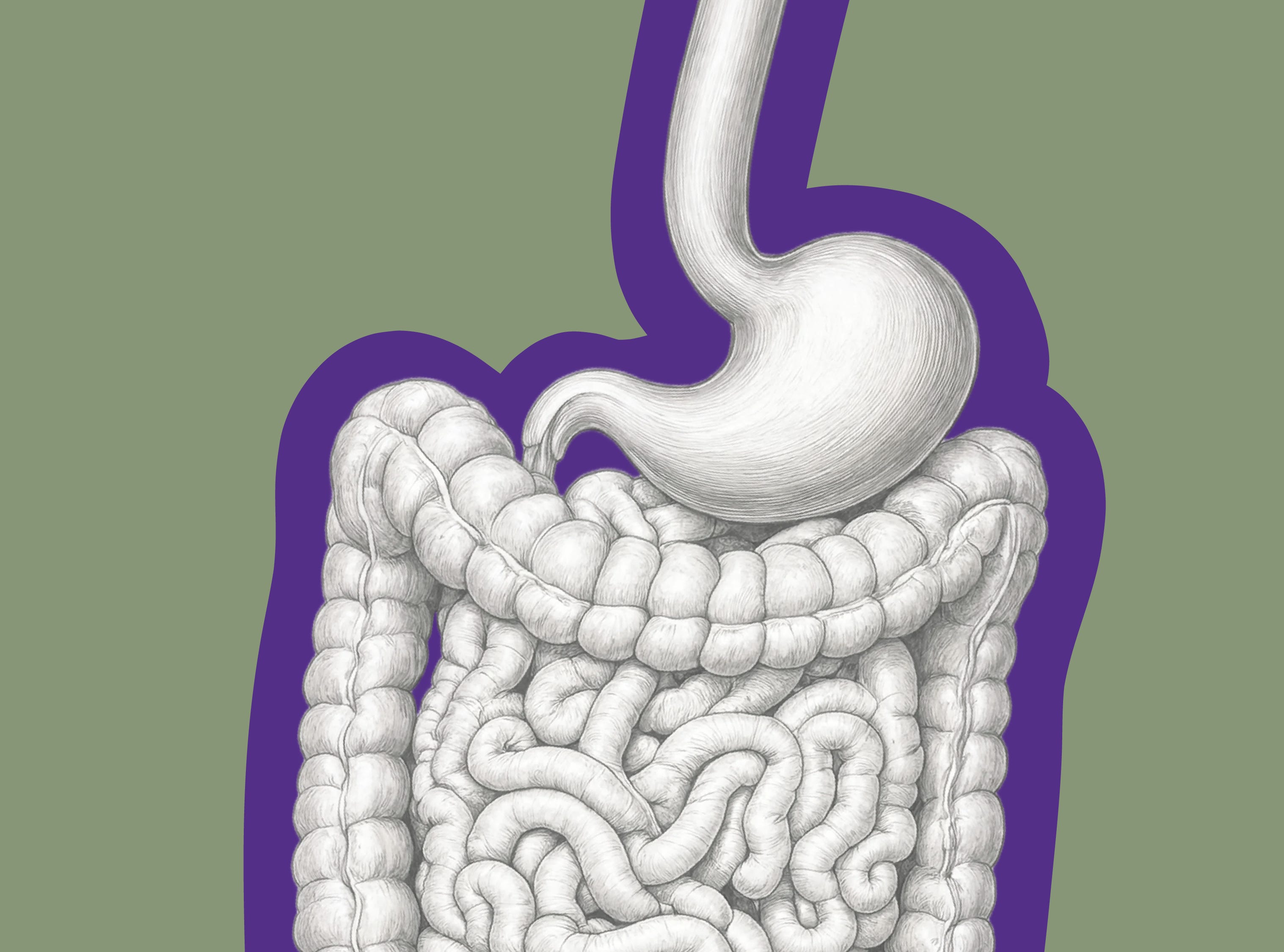
If we are what we habitually do, then your gut is a creature of habit. It responds less to any one meal than to the daily rhythms around it: when you eat, how fast, whether you slept, and whether you're doomscrolling mid-bowel-movement. Here are five small patterns to reconsider.
1. Put the phone down on the loo
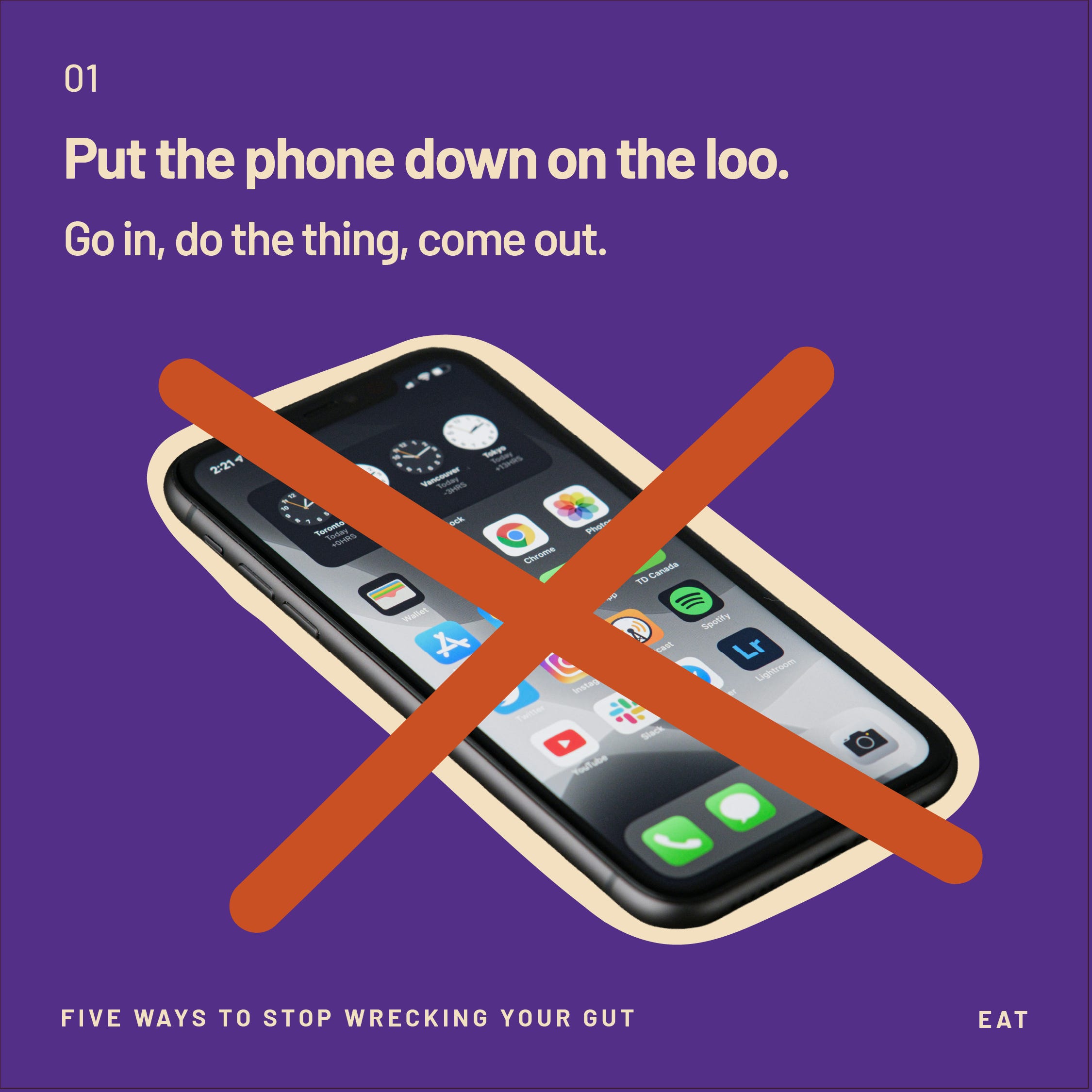
We’ve all done it, but there’s now a good reason to stop. A bowel movement should take somewhere between three and five minutes, and sitting far longer (which is what a phone encourages) raises the pressure on the pelvic floor and, over time, the risk of haemorrhoids.
A 2025 study in PLOS One found people who used their phones on the toilet were 46 per cent more likely to have haemorrhoids than those who didn’t, even after accounting for age, fibre intake and exercise. The mechanism isn’t mysterious at all: phone users simply sat there longer, five times more likely to stay past the five-minute mark, and an open toilet seat gives the pelvic floor none of the support a chair does, so the pressure has to go somewhere.
This fix is the easiest on this list: leave the phone outside! Go in, do the thing, come out.
2. Eating the same few things on repeat
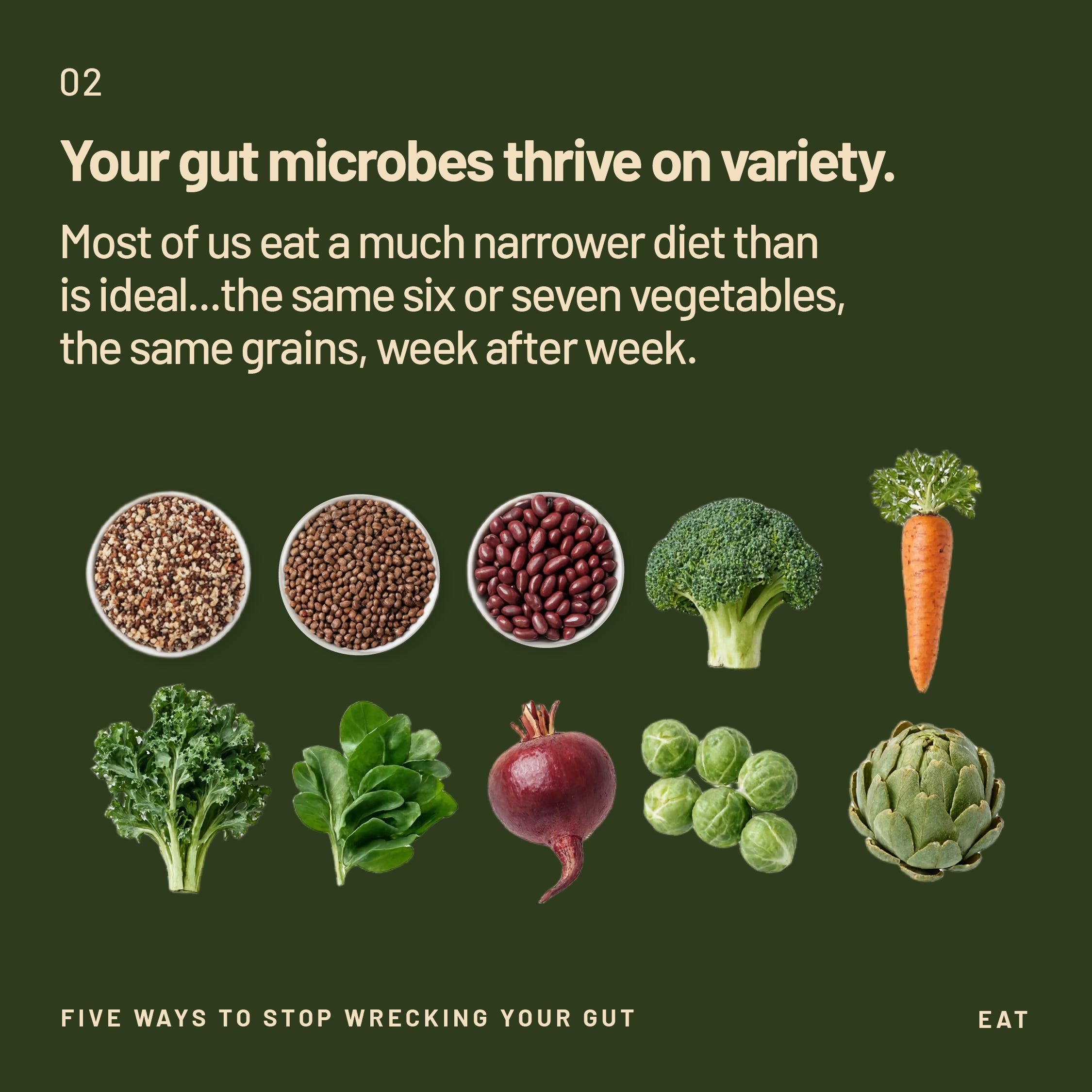
Your gut microbes thrive on variety, and most of us eat a much narrower diet than we think: the same six or seven vegetables, the same grains, week after week. Even if you’re hitting a solid fibre target, you may be feeding only part of the microbiome, because different microbes ferment different fibres at different speeds, and a monotonous diet feeds the same narrow band of them.
The well-known target here is 30 different plants a week, including vegetables, fruit, nuts, seeds, pulses and whole grains, which sounds like a lot until you realise how quickly the spice box, the dal rotation and a mixed sabzi add up. Variety is the whole game.
3. Eating in a rush
Digestion begins in the mouth, so bolting your food undercuts it before it starts. Eating fast tends to mean less chewing, more air swallowed, more bloating, and a tendency to overshoot fullness before the signal arrives, since that signal takes a good twenty minutes to land.
A simple trick: put your cutlery down between mouthfuls. It feels slightly ridiculous for the first few bites, and then you notice that, actually, it just slows down your meal to a more sane pace. Suddenly, you also notice more chewing and less shovelling. This is a good thing.
4. Not moving
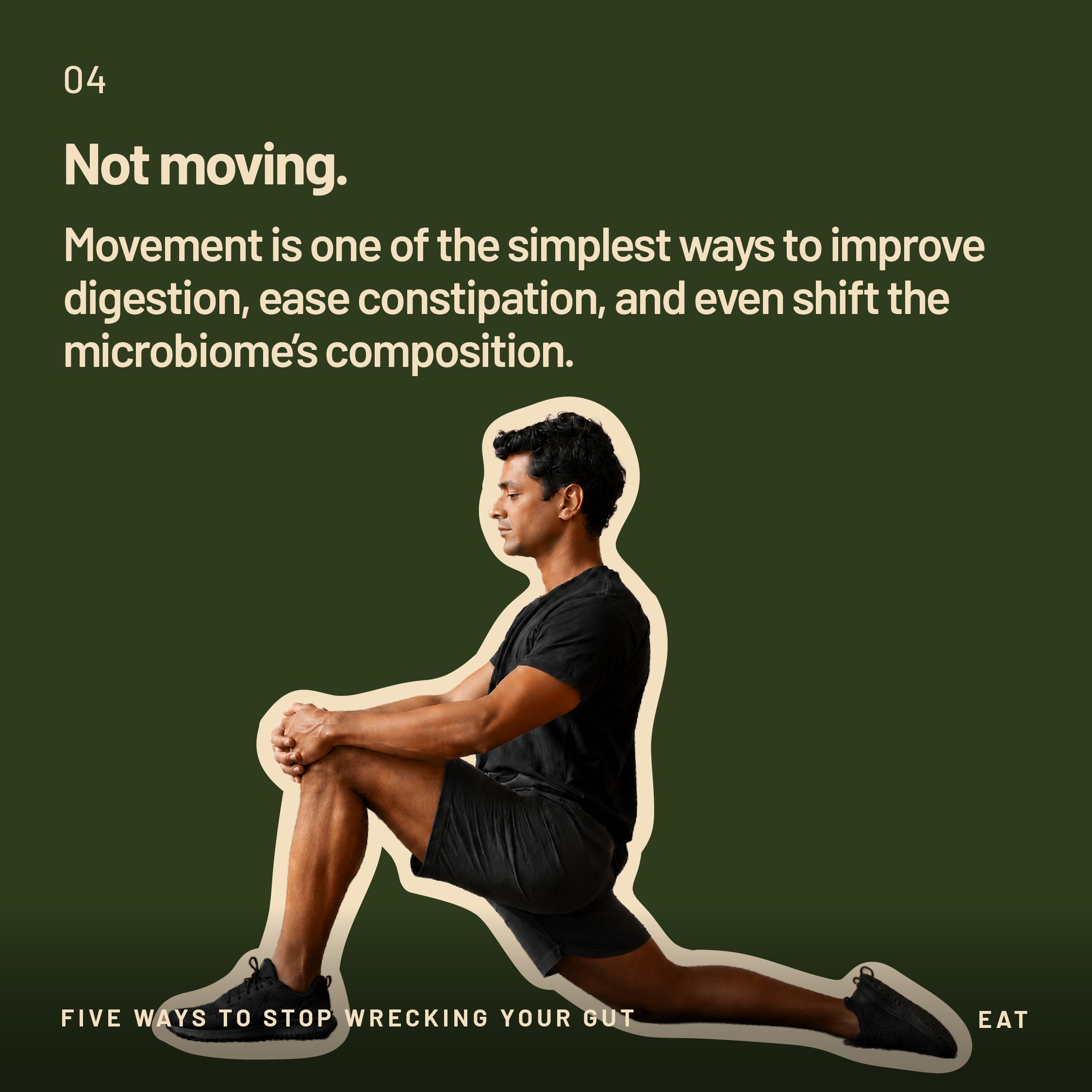
Movement is one of the simplest ways to improve digestion, ease constipation, and even shift the microbiome’s composition in a favourable direction. Plus, it doesn’t take hours slaving away in the gym; more, you will be happy to know, does not equal better here. A ten-minute walk after a meal flattens the blood-sugar rise that follows eating, helps things move through, and banks a few hundred extra steps into the bargain. If a walk isn’t possible, there’s a smaller version you can do sitting down. What you’re after is simply not going straight from plate to sofa to horizontal.
5. Not planning
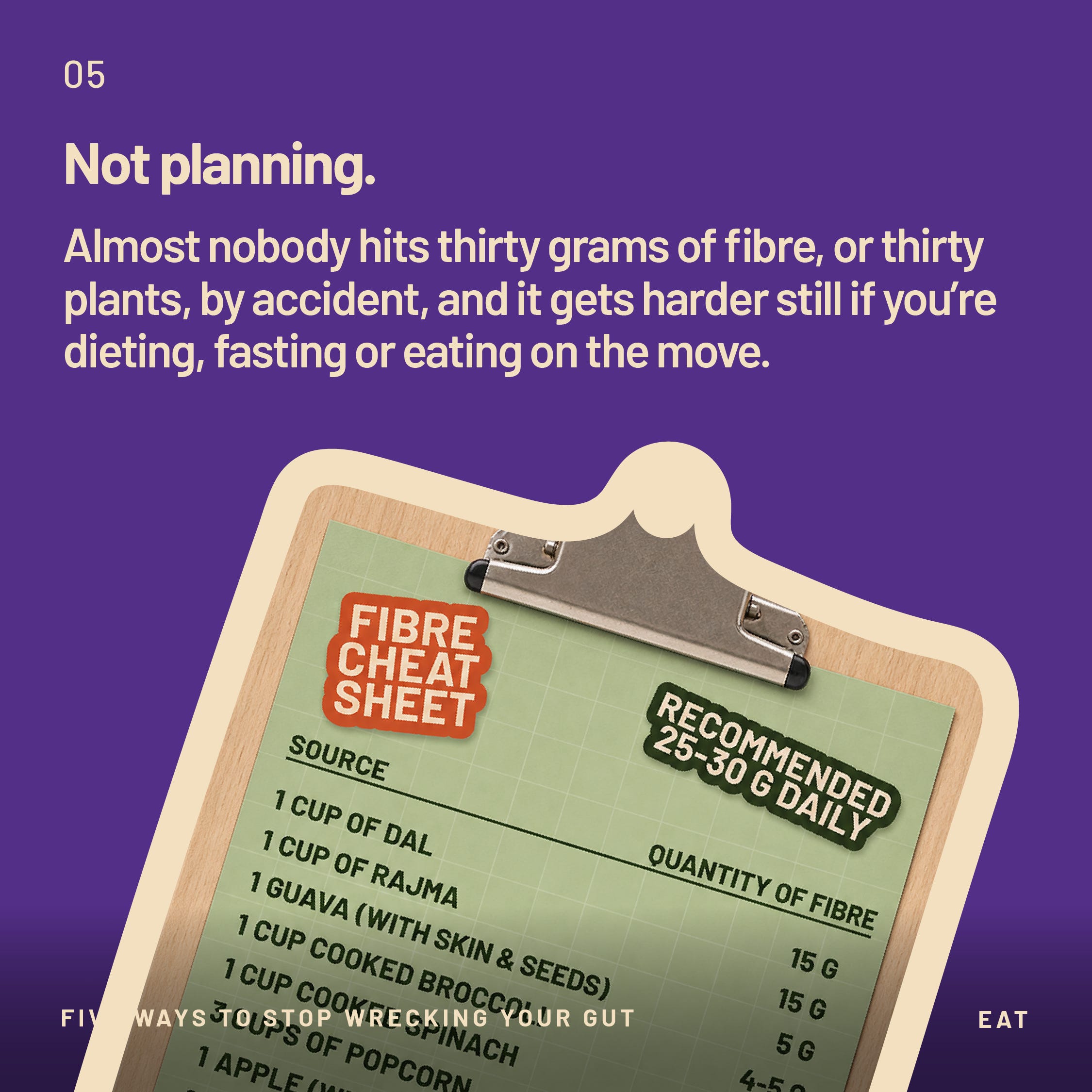
Almost nobody hits thirty grams of fibre, or thirty plants, by accident, and it gets harder still if you’re dieting, fasting or eating on the move. A little forethought about where the fibre will come from is the difference between a gut that’s fed and one that’s merely full. Need some tips? We’ve got them here.
The good news is that the highest-fibre foods are mostly storecupboard staples, not health-shop specials. A bowl of rajma or chana, a katori of whole unhulled dal, a guava, a fistful of roasted chana, a spoon of ground flaxseed stirred through your dahi, the skins left on the potatoes: none of it is exotic, and all of it counts. Build a couple of these into meals you’re already eating and the target stops being a stretch. Planning is rarely glamorous. Still, this is the habit underneath all the others, the one that turns thirty plants and steady fibre from a nice idea into something that actually happens.
Five small shifts, then: a phone left on the shelf, cutlery set down between bites, a few more plants in the shopping cart, ten minutes on your feet after lunch, and a bit of thought about where the fibre comes from. Do them most days, and you should feel the impact on your gut very soon.
1,000 Ways to Live Well is a Mille publication. Mille is a modern nutrition brand built around everyday rituals, starting with protein that doesn't ask you to compromise on taste. millesupergrain.com