



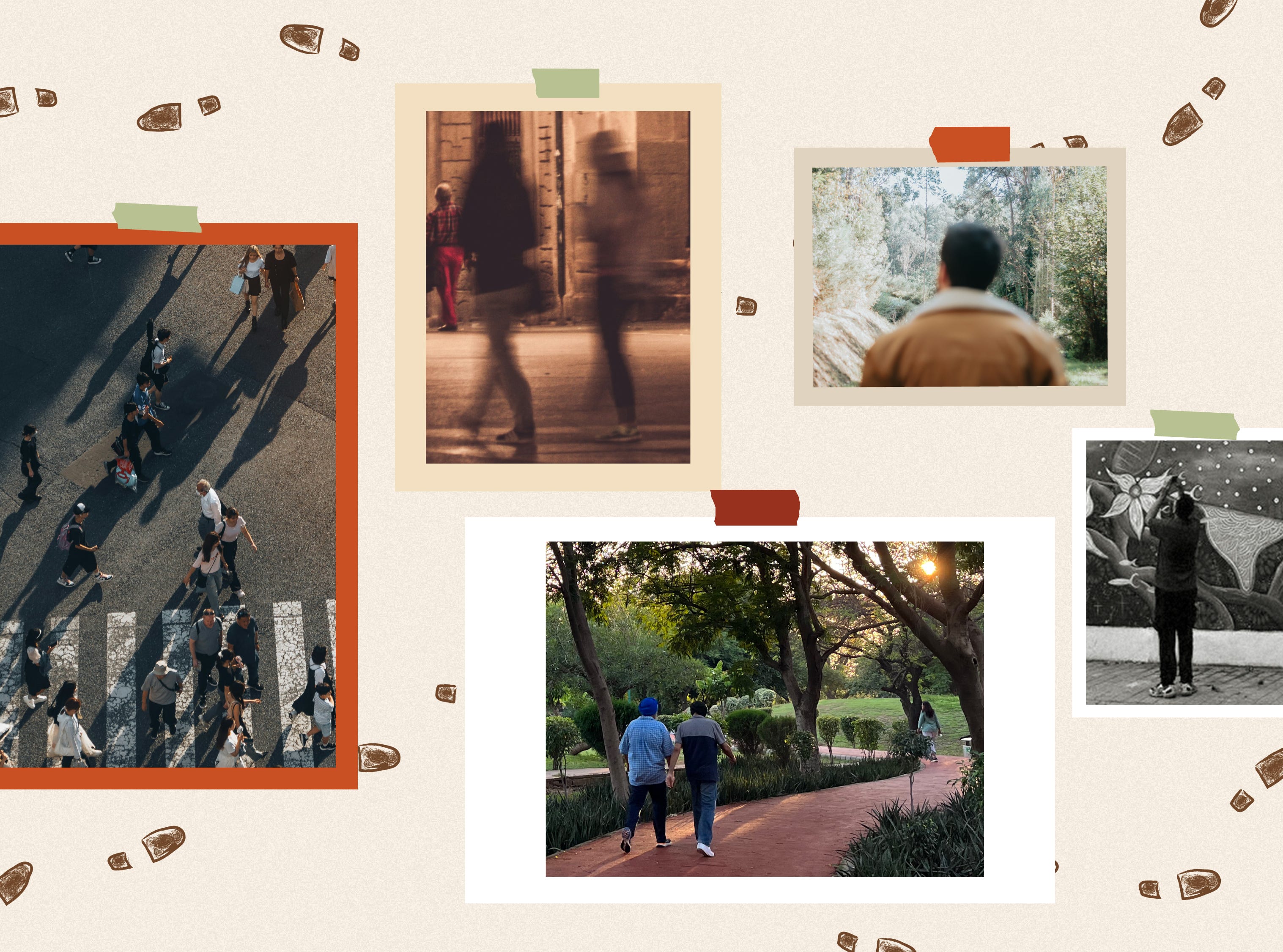
The Italians have a word for the stroll after dinner: passeggiata. The Japanese have a concept, satoyama, built around the restorative value of moving slowly through a landscape. Closer to home, Ayurveda has long recommended a post-meal walk for digestion. Three completely different cultures, all of which arrived at the same conclusion independently: get up after you eat and walk around a bit.
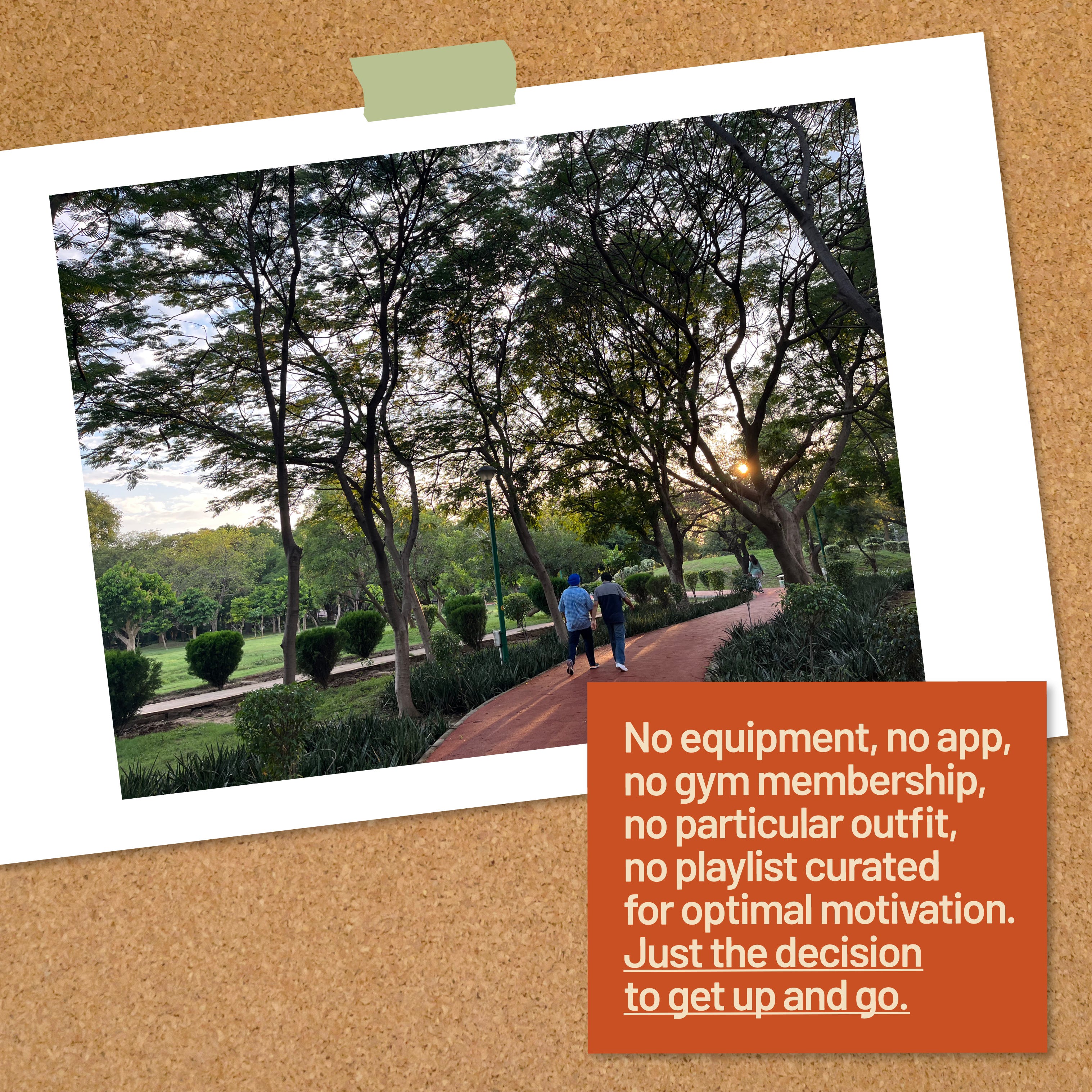
We have somehow made wellness enormously complicated, and the post-meal walk is a useful reminder that it does not have to be. No equipment, no app, no gym membership, no particular outfit, no playlist curated for optimal motivation. Just the decision to get up and go, which is either the most liberating instruction you have read all week or the most annoying, depending on how many supplements you are currently taking.
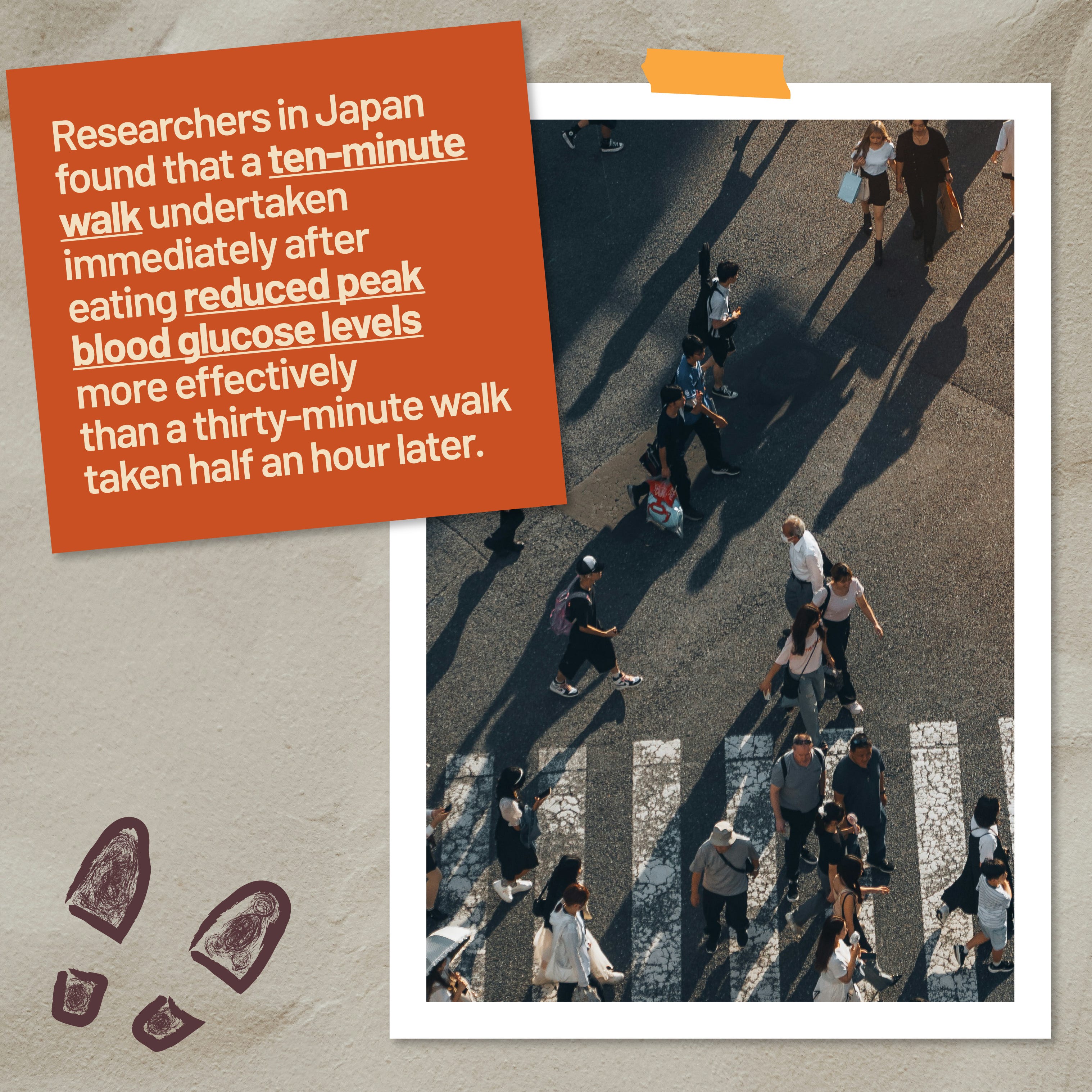
The science, when it arrived, turned out to be on the grandmothers’ side. Researchers in Japan found that a ten-minute walk undertaken immediately after eating reduced peak blood glucose levels more effectively than a thirty-minute walk taken half an hour later. The pace was 3.8 kilometres an hour, which is an amble at best and definitely not a workout, which means timing matters considerably more than effort, and getting up straight after the meal beats waiting until you feel like it every single time.
Blood glucose is the headline benefit but not the only one. Walking after eating stimulates the muscles of the digestive tract and moves things along faster, which is why the instinct to move after a large meal is your body being wiser than you are giving it credit for. Over time, consistently managing post-meal glucose spikes matters for cardiovascular health, for appetite regulation, and for sleep quality, because blood sugar fluctuations at night disrupt the restorative stages of sleep in ways that accumulate quietly and then all at once. Five benefits, ten minutes, no gear.
There is also the Stanford creativity finding, too good to leave out: walking increased creative output in participants by 60 per cent compared to sitting. Not strictly a post-meal result, but useful information for anyone who has ever stared at a problem on a screen for an hour and solved it approximately thirty seconds into a walk to get water. The walk is not a break from thinking, it actually is the thinking.
Karuna Parikh, whose feature you will find elsewhere in this edition, mentioned her post-meal walking ritual in passing, describing it as something she just does now, barely thinks about it. Up and out and back again, no particular agenda. That is the whole aspiration, really, the point at which the thing you know is good for you stops requiring a decision and becomes just what you do.
Start after lunch or dinner tonight. Outside if possible, in the corridor if not. Leave your phone or don’t, but try. Ten minutes, comfortable pace, no agenda. You will come back in a better mood than you left, your digestion will thank you, and your glucose levels will be doing something a lot more chill instead of spiking and crashing and sending you to the biscuit tin at 4pm.
1,000 Ways to Live Well is a Mille publication. Mille is a modern nutrition brand built around everyday rituals, starting with protein that doesn't ask you to compromise on taste. millesupergrain.com

