


For a lot of us, ritual is a word that lives close to devotion. It sits near prayer and ceremony, near the aarti at dusk and the diya lit before a festival, near the practices that have carried religions and cultures across centuries. That meaning is real, and it’s the one the word has carried for most of its long life.
More recently, wellness has borrowed some of that vocabulary. Morning routines, journalling practices, ten-step skincare, the ceremonial matcha. The newer use sits alongside the older one rather than replacing it, and what both share is the idea that certain actions, done again and again, become more than the sum of their doing.
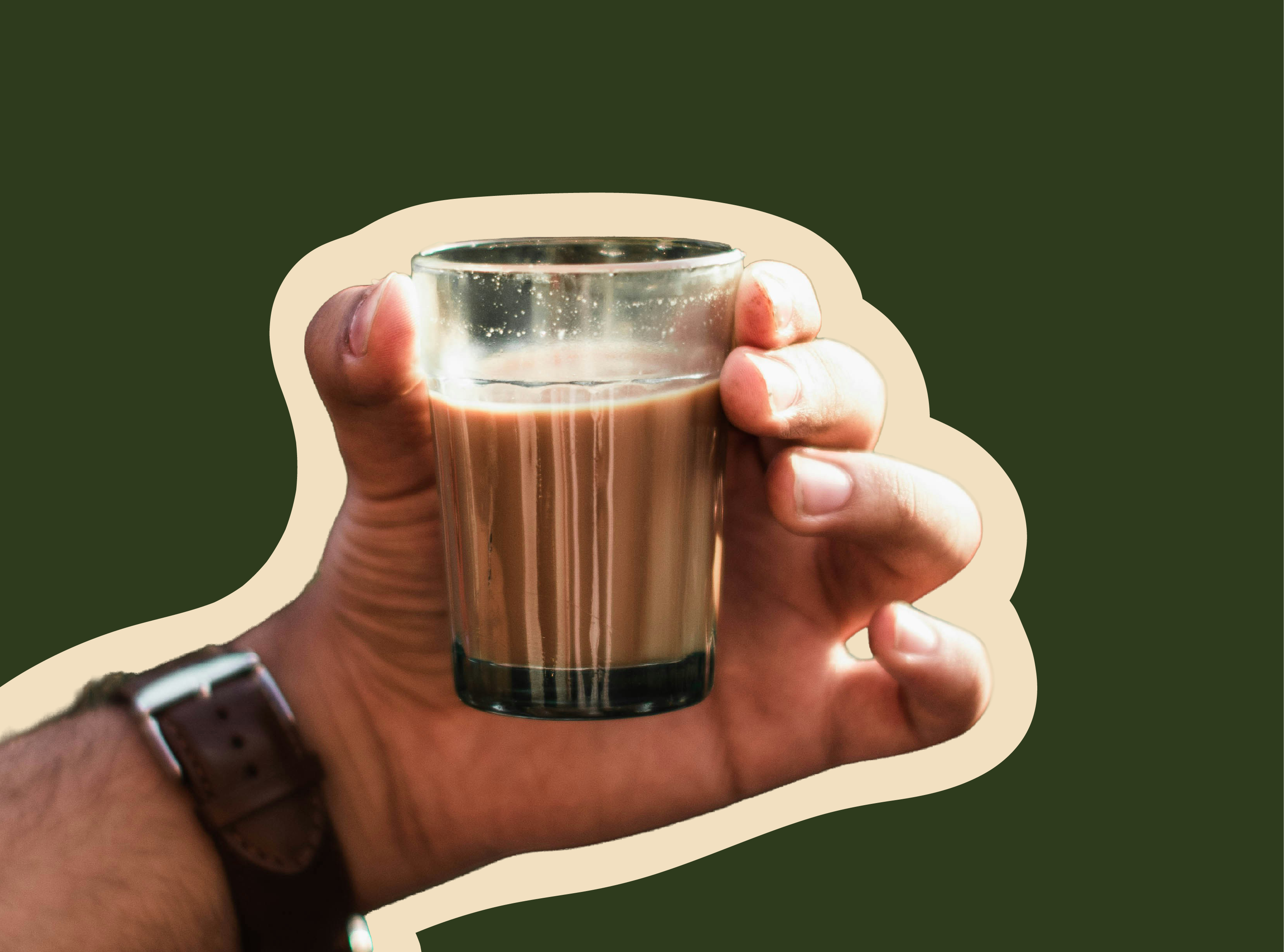
At its plainest, a ritual is simply what you return to. It can include a candle, a prayer or an intention. It can also be a sweaty run, or the first cup of chai drunk standing at the window. Sometimes we choose our rituals, and sometimes they choose us, but everybody has them.
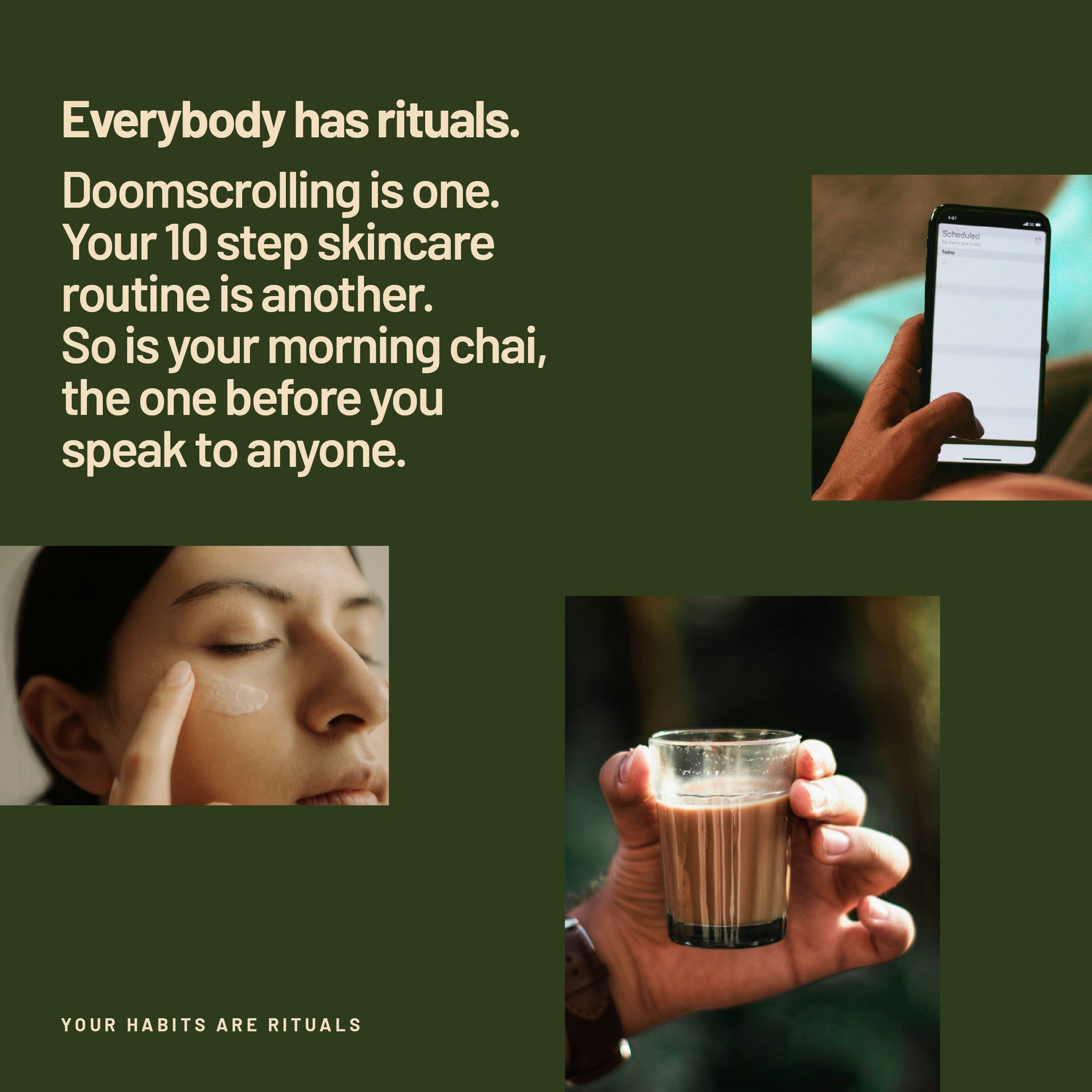
Doomscrolling is a ritual. So is reaching for the phone before you’ve properly opened your eyes, standing at the counter eating something out of the packet, pouring the second glass of wine, leaving the dishes until morning. So is the walk to the same café for the same order, and the ten minutes of stretching that has now been skipped for three weeks running. What separates the ones that serve you from the ones that don’t is rarely virtue. More often it’s whether you’re aware of what you’re doing.
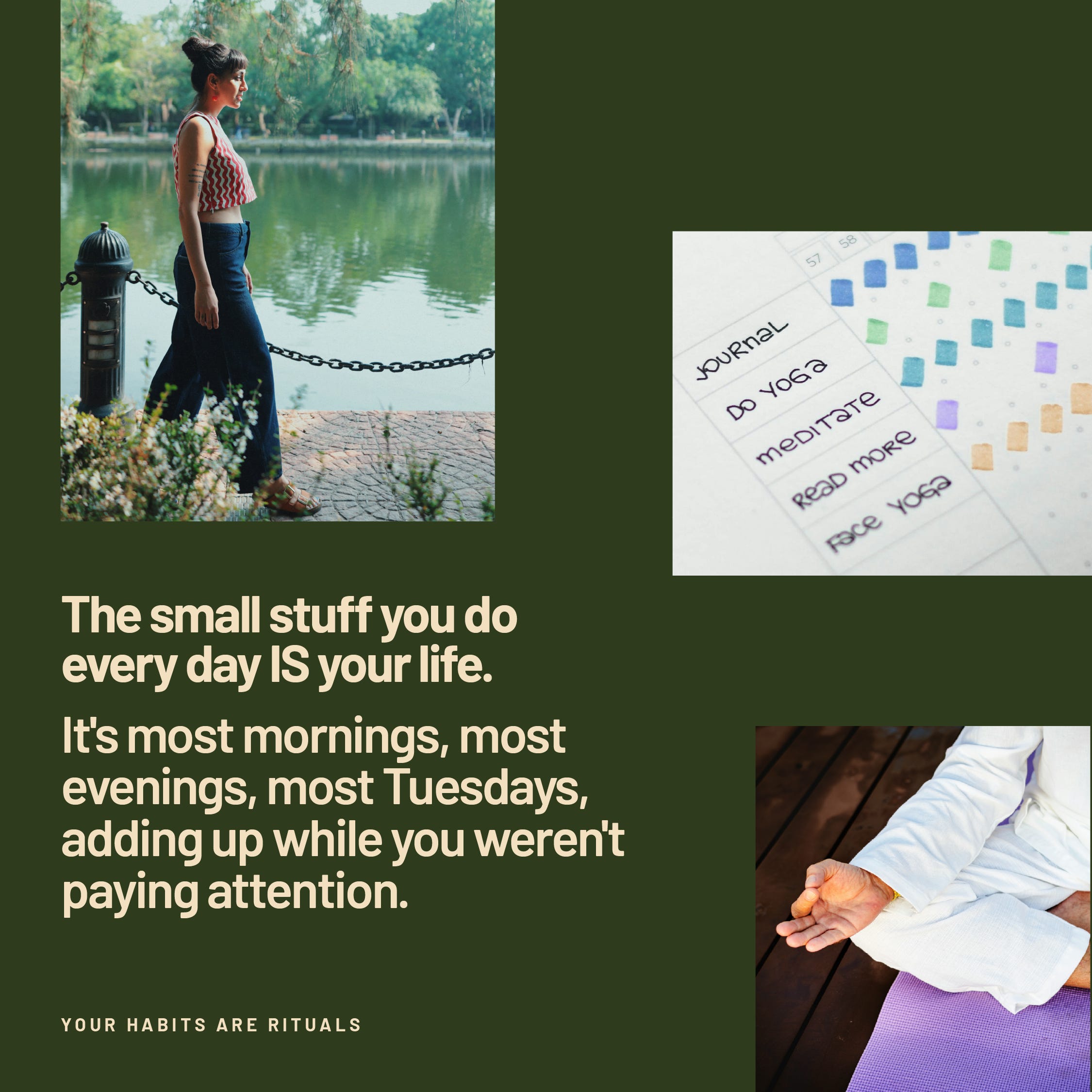
Over years, those small returning actions become the fabric of a life. The person you are in five years is the sum of what you did most mornings, most evenings, most Tuesdays, far more than anything you resolved on the first of January. It’s what you did on the second Wednesday in March, when nobody was watching.
The usual self-help version of this idea is punitive. Audit your habits, identify the bad ones, replace them through discipline, and if you can’t manage it, you must lack willpower, structure, or seriousness. Every small daily choice becomes a moral test, and that’s how many of us ‘fail’ by February.
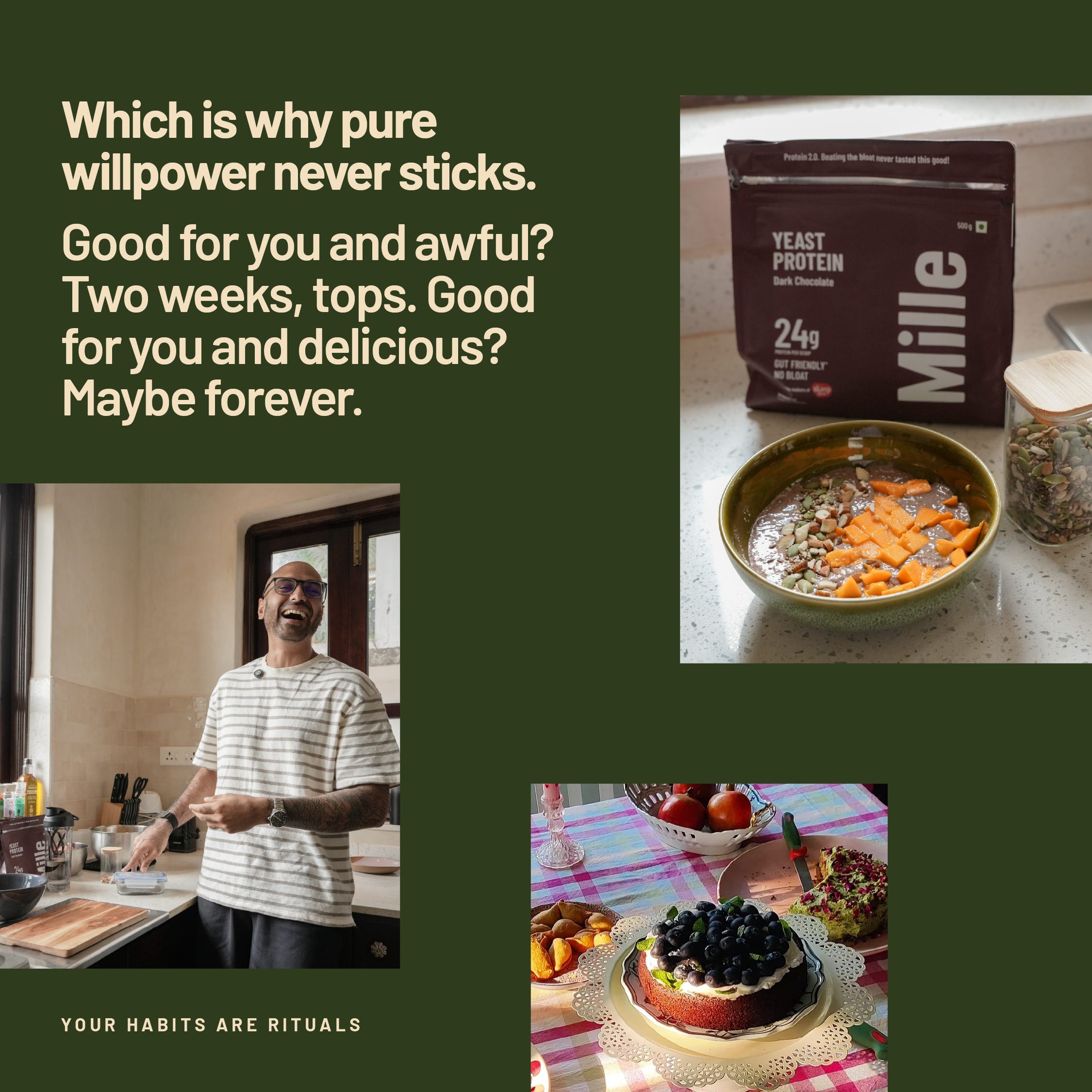
The habits that last tend to work the other way round. They pull you back because you like them. The evening walk that ends at the good coffee place. The stretch that feels lovely on a stiff back. The breakfast you look forward to while you’re still in bed. Pleasure is how a ritual survives, and a ritual you don’t come back to is just a resolution with better branding. If something is good for you and joyless, you’ll do it for a fortnight. If it’s good for you and delicious, you might do it for the rest of your life.
That’s the invitation, really. Start by noticing what you already return to without thinking: the scroll before the shower, the way you stand at the fridge, the evening that starts with one drink and ends with three. Notice without rushing to fix, because a habit you can see is already halfway to being a choice. Then look for the version of the good thing that you’d enjoy enough to repeat.
Traditionally, what makes something a ritual is attention. A monk sweeping a temple courtyard does the same physical thing as anyone sweeping a floor, and what makes the monk’s version ritual is being present. Nobody has the bandwidth to bring that to every task, and trying would exhaust you within a week. A little goes a long way, though, especially with the things you already love doing. Tasting the food. Feeling the walk. Letting the cup of tea be a moment with your cup of tea.
This cuts both ways, which is the good news. The habits you’d rather not have are made of small returning actions, and so are the ones you’d like to build. In a piece like this, there's a temptation to prescribe five habits, three questions, or a morning routine. You already know which rituals feed you and which don’t, so we’ll leave the list out. There are a thousand ways to live your life well. Go and find the ones you enjoy, and do them again tomorrow.
1,000 Ways to Live Well is a Mille publication. Mille is a modern nutrition brand built around everyday rituals, starting with protein that doesn't ask you to compromise on taste. millesupergrain.com
Such a life-affirming piece - I loved every word!
Such goated advice, I truly loved this